Building the Digital Future: The Roles of Software Engineers and Developers

The main difference between a Software Engineer and a Software Developer lies in the scope of their work. Software Engineers focus on the larger picture of a project, working closely with infrastructure, security, and quality, while Software Developers are more laser-focused on specific coding tasks. Software Engineers apply technological and scientific principles to design, implement, test, and document entire software components, going beyond the role of a developer by systematically solving problems and overseeing the entire system4. In contrast, Software Developers are technical professionals who design, create, and launch computer programs, focusing on meeting client and end users’ needs through creativity and keeping up with the product development life cycle. While both roles require technical skills, Software Engineers typically have a broader understanding of computer system ecosystems and possess greater soft skills, such as problem-solving, leadership, and organization, compared to Software Developers

What Are The Typical Job Responsibilities Of A Software Engineer:

The typical job responsibilities of a software engineer include executing full lifecycle software development, programming well-designed, testable, efficient code, producing specifications, determining operational feasibility, developing flowcharts and documentation, integrating software components, developing software verification plans, troubleshooting, debugging, and upgrading existing systems, deploying programs, evaluating user feedback, complying with project plans and industry standards, ensuring software is updated with the latest features, and documenting and maintaining software functionality. Additionally, software engineers analyze user requirements, design, develop, test, debug, and deploy software, monitor, maintain, and improve existing software, detect vulnerabilities, and ensure compliance with company and industry standards

What Are The Typical Job Responsibilities Of A Software Developer:

The typical job responsibilities of a Software Developer include working with developers to design algorithms and flowcharts, producing clean and efficient code based on specifications, integrating software components, testing and deploying programs and systems, fixing and improving existing software, gathering and evaluating user feedback, troubleshooting, debugging, and upgrading software, creating technical documentation for reference, and maintaining systems once they start running. Additionally, Software Developers are responsible for designing and building computer programs that power various devices, identifying user needs, creating new applications for different markets, and making improvements based on user feedback

Software Engineer Vs Software Developer Salary:

The salary difference between a Software Engineer and a Software Developer can vary. On average, Software Engineers tend to earn higher salaries compared to Software Developers. For instance, Glassdoor cites wages of about $141,000 per year for software engineers, compared to around $113,000 for developers. The national average salary for a software engineer is $132,782 per year, while the national average salary for a software developer is around $105,000 a year45. However, it’s essential to note that salaries can be influenced by experience, education level, location, and specific industry demands.

What Are The Educational Requirements For Becoming A Software Engineer Or Software Developer?

The educational requirements for becoming a Software Engineer or Software Developer typically involve having at least a bachelor’s degree in a related field. For Software Engineers, a bachelor’s degree in software engineering, computer science, computer engineering, or a related discipline is commonly preferred by employers, with advanced or leadership roles potentially requiring a master’s degree. On the other hand, Software Developers may also need a bachelor’s degree in computer science, software engineering, data science, mathematics, information technology, or a related field to enter the industry, with some positions requiring 2 to 5 years of work experience and proficiency in programming languages like Java, C++, Python, and knowledge of coding repositories like Git5. While a master’s degree can enhance career prospects in both fields, it is not always a strict requirement for entry-level positions. Additionally, certifications and specialized training can also play a role in advancing one’s career as a Software Engineer or Software Developer. There are so many colleges in Jaipur but the best Engineering College in Jaipur is Arya College of Engineering & I.T. for software engineers and Developers.
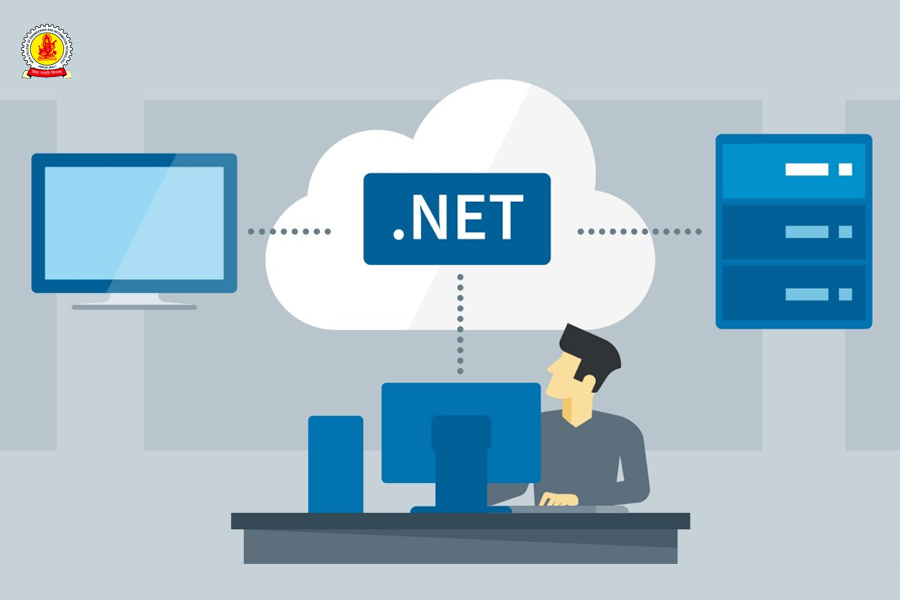

What is .NET Framework? A guide to the development | Arya College

dot net frame work

Best tools and technologies for .NET based web application

In the digital world, there are millions of different types of websites. A website is where you can find interactive information about a person, business, or organization. However, to make a website function in a specific way, students of Engineering Colleges need a web application solution. When it comes to web application development, there are many different types of solutions to choose from. In addition, an individual can filter through the various solutions depending on how they want their application to run and function.

Today, one of the most dynamic web applications used in the business is .NET. Microsoft began the development of the .NET Framework in the late ’90s. However, it is originally under the name of Next Generation Windows Services (NGWS). It is a Microsoft web services strategy to connect information, people, systems and devices through the .NET software. In addition, it makes it really efficient for any user to share and use their information between multiple websites, programs, and computers.

What is the meaning of .NET?

It is also known as .NET Framework. It is a type of software development in the digital development industry. However, it is created by Microsoft and primarily runs on Microsoft Windows. The .NET Framework uses language interoperability, which can use a code written in other languages in a large Framework Class Library (FCL). The FCL provides the user interface, database connectivity, web application development, data access, numeric algorithms, network communications, and cryptography.

Any programs written in .NET use a software environment known in the programming world as CLR (Common Language Runtime). In addition, CLR is a virtual machine that can provide a range of services. It includes the following:

  1. Security – .NET has its own security mechanism Code Access Security (CAS). It is constructed on evidence that relates to a specific assembly to govern the permissions approved to get to the code.
  2. Memory Management – CLR takes away the burden of managing memory from the developer. It handles memory management itself by detecting when memory can be safely discharged.
  3. Performance – The application launch enables the .NET Framework to compile the Common Intermediate Language code into executable code using its “Just-in-time” compiler. However, it stores the executable program into the .NET Native Image Cache.

In order to create dynamic web applications, programmers can create software by uniting their own source code with the .NET Framework and other libraries. However, all new applications create to run on Microsoft Windows should use .NET. With the drastic evolvement of technology, computer systems require interaction between new and old applications. Therefore, the .NET Framework provides access to the functionality implemented in new and old programs that perform outside the .NET environment.

Things Startups Should Consider Before Outsourcing

Key considerations when outsourcing software development.jpg

It is obvious for the startups to outsource some parts of their software development. There is a host of reasons why most startups resort to outsourcing rather than hiring an in-house software developer. The reasons could range from cost, the need for different expertise, a lack of time to develop the software alone, to the need to put the task in more experienced hands.

There are key factors a startup entrepreneur should consider before taking diving into outsourcing software development. Below is a rundown of some of those key considerations startups should consider.

Nature of the Software

Before outsourcing software development to another company, it is significant for the experts graduated from MBA Colleges in Jaipur to understand their key competencies. It means important qualities deemed by the company that an employee should possess. The rule of thumb is that an individual cannot outsource their key competency/competencies whatever the circumstances.

Similarly, a good practice is only to outsource operational products like reservation systems or process automation. For creative products like chip design programs, consumer games, or architectural renderings, do them in-house.

Technology standard

Outsourcing is also depending on the establishment of the technology standard of the software. If interested professionals intend for the technology to feature the most up-to-date technologies, then they need to do it in-house. However, simple software helps them to opt for the lowest cost solution which is outsourcing.

Cost

Cost is among the most essential considerations when it comes to getting any service or product. Outsourcing may provide a cheaper cost depending on what aspirants of Top MBA Colleges or freelance entrepreneurs want to accomplish. While considering outsourcing, always think about the costs in the short-run versus the long run. Usually, outsourcing tends to provide better costs in the short run, but may not in the long run.

Intellectual Property Considerations

While preparing to entrust the software development to a different independent company, it is significant for a person starting their startup plans to understand legal jurisdictions. They must fortify their intellectual property against any theft and misuse by coming up with contracts and non-disclosure agreements.

Ability to get the skills required

Most businesses need the input of a diverse range of resources and skills which willing candidates of Best MBA Colleges might not be able to acquire full time. For instance, you might not be able to afford software architects, designers, and testers as full-time employees. The beauty of outsourcing is that it will permit you to access the resources when and as you need them.

Conclusion

In conclusion, if a young entrepreneur has a typical startup and they agree with their co-founders to work on the first product without pay is completely fine. Software outsourcing in such a case may not be appropriate.

However, if your firm is not software-oriented and you need some software-related work to be done, you can consider outsourcing rather than hiring a team of software developers.